


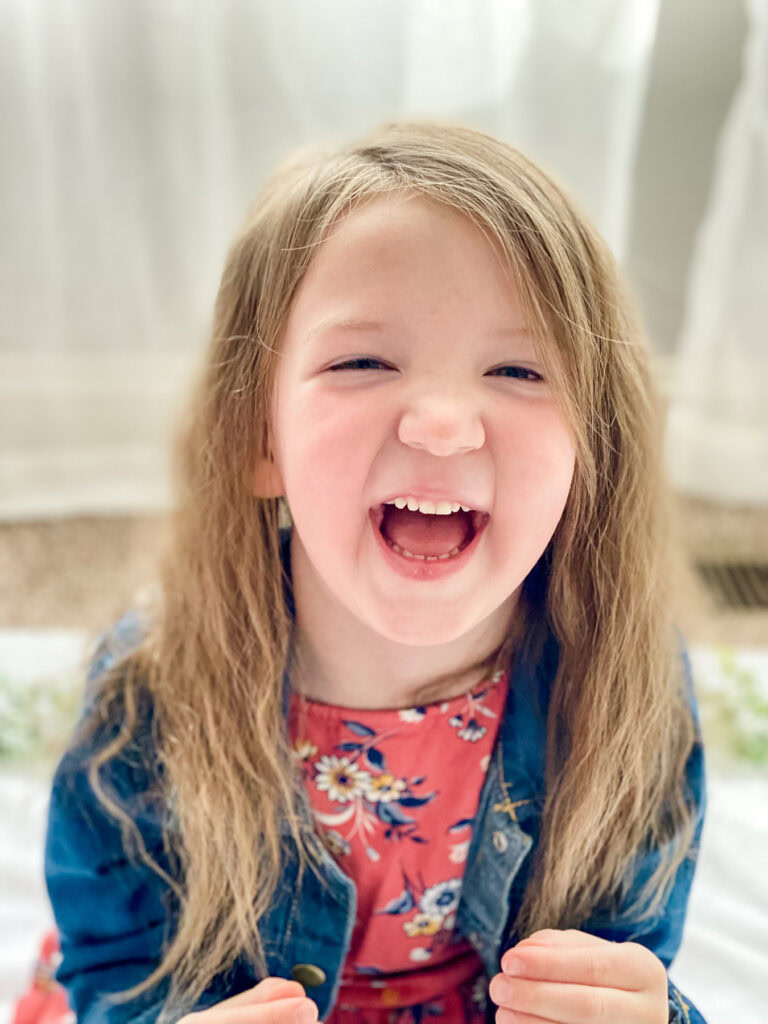


3-Year-Old Kinder Room
Bluebell Room (3-4 year old)
Our Bluebell Room is our designated room for our 3-year-old Kindergarten program and is designed to foster curiosity, creativity and confidence in a warm and welcoming environment.
Our Bachelor-qualified Early Childhood Teachers (Kindergarten Teacher) and educators encourage children to use play as a powerful tool to build their language skills and learn about numbers and patterns. By engaging in playful activities, children are also given opportunities to learn how to get along with others, share, listen, and manage their emotions.
In our 3-year-old Kinder program, children are provided with the chance to explore new ideas and concepts, laying a strong foundation for their upcoming kindergarten year. The kinder rooms are designed to allow children to actively choose what they want to engage with, fostering a sense of independence. As they dress themselves, make friends, and participate in various activities, they begin to develop crucial life skills.
Learning experiences include:
Physical development
- Developing gross motor skills through activities like walking, running, climbing and playing on playground equipment.
- Enhancing fine motor skills through activities using scissors, drawing shapes, and assembling puzzles.
- Encouraging hand-eye coordination through ball games and other interactive play.
Cognitive development
- Stimulating problem-solving skills with age-appropriate puzzles and games.
- Encouraging memory enhancement through simple memory games and repetitive songs or stories.
- Understanding cause and effect by experimenting with different materials and observing outcomes.
Social and emotional development
- Developing listening skills and following simple instructions through interactive play.
- Learning to share and take turns with peers through group play activities that encourage cooperative play.
- Understanding and expressing emotions through role-playing and storytelling.
- Learning to manage emotions through guided activities and discussions.
Language development
- Expanding vocabulary through interactive reading and conversations.
- Practicing sentence formation and storytelling during discussions.
- Engaging in songs and rhymes to enhance language skills.
Creative development
- Fostering creativity through activities like drawing, painting, and crafting.
- Encouraging imaginative play through role-playing, dress-up activities and storytelling.
- Exploring different materials and textures to create art.
- Exploring music and rhythm with instruments, dance activities and singing songs.
Sensory development
- Engaging in sensory play with different textures, such as sand, water, and textured materials.
- Exploring various sounds and sights through interactive sensory books and toys.
- Promoting taste and smell exploration with safe foods and scents.