




Sustainability
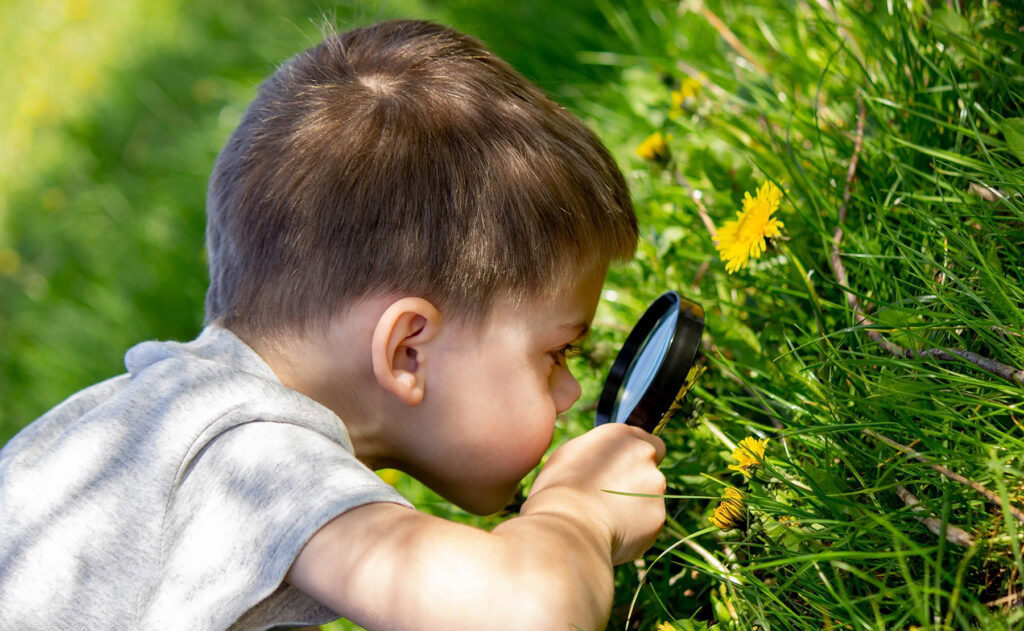
We make it our priority to minimise our impact on the environment and teach our children ways they can reduce their footprint.
Not only do we ensure our centre adopts sustainable practices, but these values are instilled in our curriculum as we aim to help children see their role in the community.
There are many different initiatives that we implement, but below a few to give you an idea of what we do.
Recycled resources
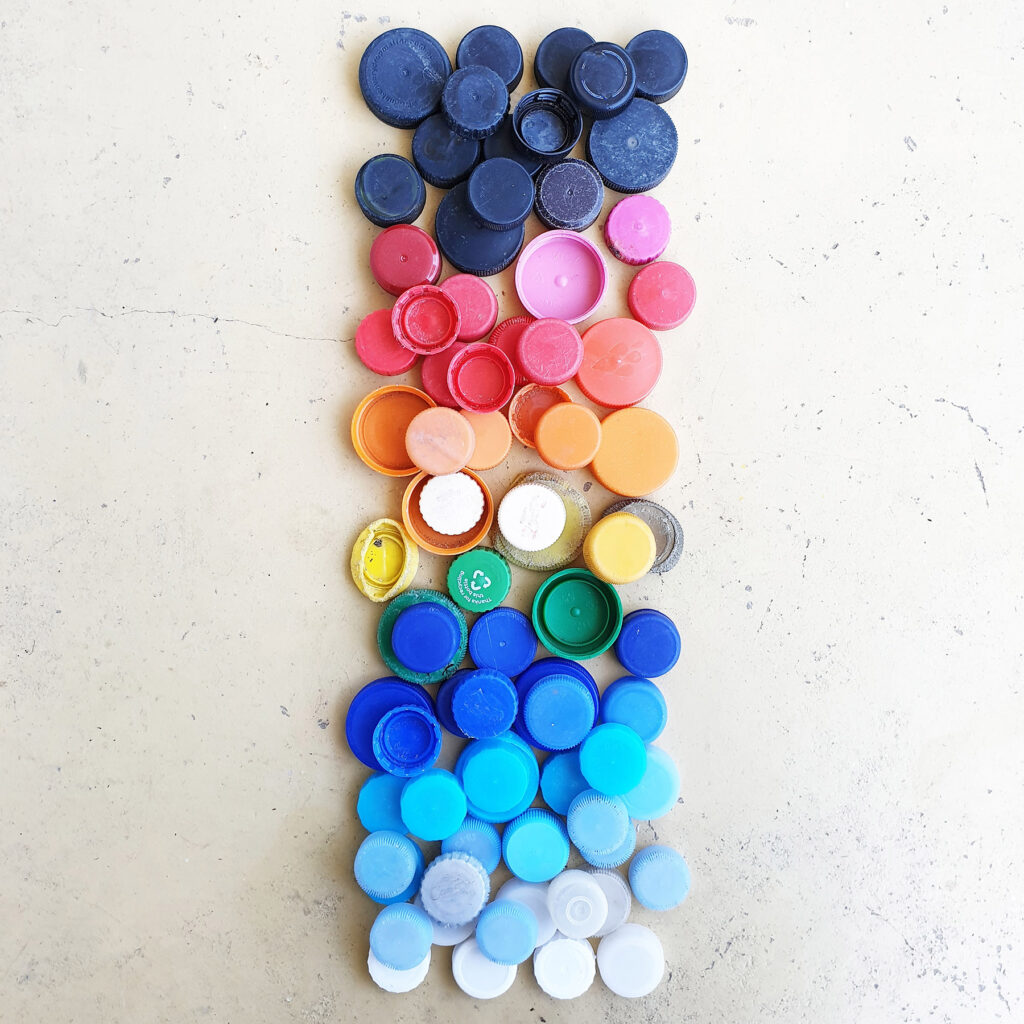
We are committed to using recycled and natural materials for both our indoor and outdoor projects and experiences. This can include creating larger play items or loose parts play. Recycled parts play a fantastic role in the curriculum as they can be turned into an endless cycle of imaginary creations.
We encourage all our families to get involved in our sustainability journey and support their contributions whether in the form of recycled items, opportunities or collaborations with community groups.
Vegetable and herb gardens
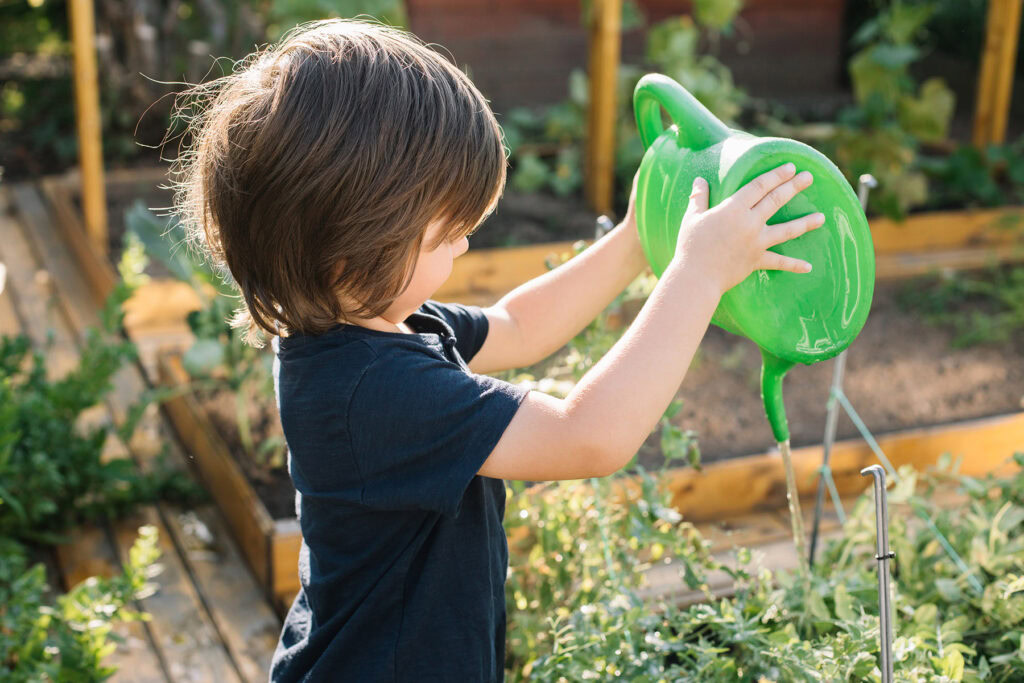
Growing food is a great learning experience in many ways. Not only do children get to learn about the different stages of growing a plant, they also get to experience eating their own food.
Community gardens are a point of focus and discussion for all children in our care. Our educators spend plentiful time with the children planting fruit and vegetables which they help to nourish and feed as they grow. Once the produce is ready to be picked, the children share this with our in-house chef as either part of our seasonal menu or as a special cooking project. This is by far the highlight of the entire growing experience.
Seeing fresh vegetables go from garden to table brings a real sense of pride and contribution to their community. It also sparks many conversions throughout and after the experience. Plus, it highlights the importance of nurturing our environment to maintain it and make it thrive, today and tomorrow. These real-life experiences help develop valuable life skills and knowledge.
Second-hand exchange
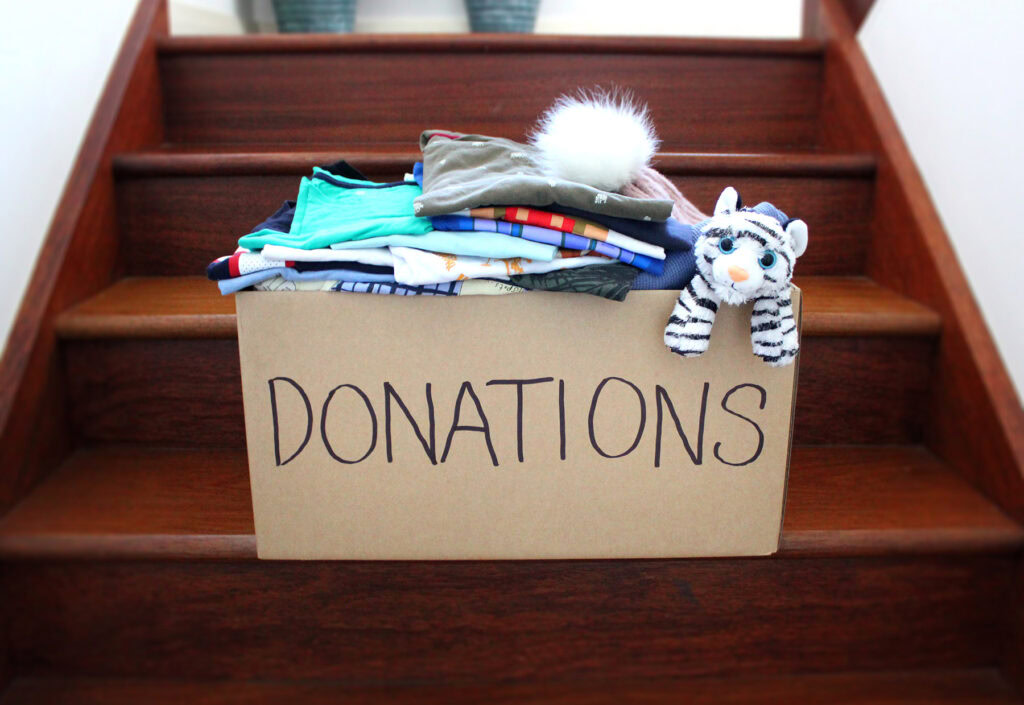
Our second-hand exchange program is created by our community, for our community. It’s our dedicated area where families can donate and exchange books, clothing, and other items that are still in very good condition and ready to be loved by another child or family. This not only reduces waste but also fosters a sense of community and sharing among families. Educators can involve children in the process by teaching them about the benefits of reusing and recycling, and by encouraging them to contribute items they have outgrown.
This initiative not only benefits the environment but also helps families save money. Plus, it provides children with a practical example of sustainable living.